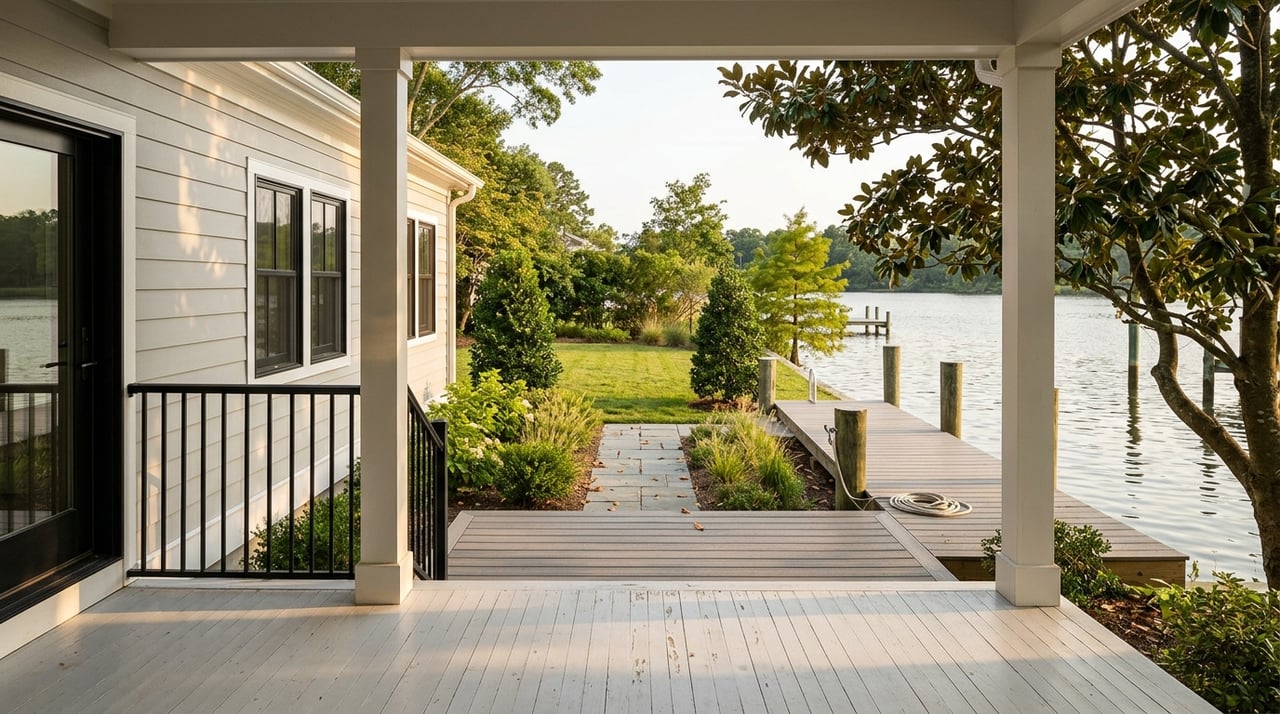
If you picture waterfront living as something reserved for a few luxury properties, Anne Arundel County may surprise you. With more than 533 miles of coastline and a long list of ways to get on or near the water, daily life here can look like morning walks by a creek, an afternoon kayak launch, or dinner near a busy harbor. If you are thinking about buying, selling, or simply learning what this lifestyle really means, this guide will help you understand the rhythms, tradeoffs, and opportunities. Let’s dive in.
What Waterfront Living Means Here
Anne Arundel County’s waterfront lifestyle is broad, not one-size-fits-all. The county highlights boating, fishing, crabbing, water skiing, sailing, and swimming as part of its identity, but everyday access also includes boat ramps, cartop launches, dog beaches, fishing spots, rentals, and paddle-in camping.
That matters if you are exploring the market. Waterfront living here is not just about owning a big Bayfront home. In many parts of the county, the appeal comes from rivers, creeks, coves, and parks that make the water part of your normal routine.
Waterfront Areas Feel Different
Annapolis and Severn Energy
Annapolis offers one of the county’s most active waterfront settings. The Severn River Commission describes the area as a center of recreational boating, with heavy traffic on summer weekends, and Annapolis Harbor supports moorings, slips, boat ramps, water taxi access, pumpout service, and dock-and-dine activity around Ego Alley.
If you like a lively waterfront scene, this area may feel exciting and social. At the same time, it helps to know that the City Dock Resiliency Project is underway, and many City Dock slips and services are suspended through early 2028. That can affect how you use the harbor and how you think about convenience in the near term.
Edgewater and South River Access
Edgewater offers a more park-centered waterfront experience. Quiet Waters Park sits between the South River and Harness Creek, with paved trails, a cartop launch, a dog beach, and even winter ice-skating.
Nearby, Mayo Beach Park and Beverly Triton Nature Park give you sandy beach access, picnicking, and cartop launching along the South River or Chesapeake Bay edge. During summer weekends and holidays, these parks use reservation-pass entry, which tells you a lot about how popular and seasonal this part of the lifestyle can be.
Pasadena and North County Beaches
In Pasadena, Fort Smallwood Park is one of the county’s three outdoor swimming-beach locations. This is a useful example of how Anne Arundel County approaches public waterfront access.
The experience is more local recreation than resort atmosphere. County rules state that these swimming beaches are unprotected and have no lifeguards, so it is smart to plan with that in mind if swimming access is high on your list.
South County Marinas and Creeks
In South County, areas around Shady Side, Deale, Galesville, West River, and Herring Bay show a different side of waterfront life. The county’s marina inventory shows dense clusters of marinas, wharves, yacht clubs, and waterfront parks in these areas.
For many buyers, this is where the idea of everyday waterfront living becomes more relaxed. Instead of a busy harbor scene, you may find quieter creek-and-cove settings where boating, shoreline views, and marina access shape the pace of daily life.
Public Water Access Expands Your Options
One of the biggest strengths of Anne Arundel County is that you do not need to own directly on the water to enjoy the lifestyle. The county’s parks division manages about 7,160 acres of recreation land and another 9,900 acres of natural-resource land, with public access that includes ramps, launches, fishing, rentals, dog beaches, swimming, and paddle-in camping.
That creates flexibility for buyers. You can prioritize the home style, lot, or budget that fits your needs while still staying connected to the water through nearby public amenities.
This is also good context for sellers. If your home offers easy access to launches, parks, or waterfront recreation, that can be part of the story of how the property lives day to day, even if it is not directly on the shoreline.
What Daily Life Looks Like by Season
Summer Is the Busy Season
Summer brings the highest activity levels across much of the county. Public swimming access is available at Fort Smallwood Park, Mayo Beach Park, and Beverly Triton Nature Park during the summer months, and Mayo and Beverly Triton require reservation passes on weekends and holidays from Memorial Day weekend through Labor Day weekend.
Near Annapolis, summer weekends also bring heavier boat traffic on the Severn. If you are shopping for a waterfront or near-water home, it helps to think beyond the view and ask yourself how much seasonal activity you want around you.
Waterfront Life Stays Practical
Anne Arundel County’s waterfront rhythm is active, but it is also practical. A beach day may mean checking conditions after significant rain because temporary no-swim advisories can happen.
County beach rules also note that jellyfish may be present. These are not deal-breakers, but they are part of understanding the real day-to-day experience rather than just the postcard version.
Dining Is Part of the Routine
Waterfront dining plays a real role in the lifestyle here. The area includes everything from fine dining near City Dock and downtown Annapolis to riverside crab houses where you can sit near the dock and watch boat traffic.
That kind of access can shape how you spend your weekends and evenings. For some buyers, being close to these settings matters just as much as boat access or beach access.
What Buyers Should Watch Closely
Critical Area Rules Matter
Waterfront homes often come with additional review requirements. Anne Arundel County defines the Critical Area as land 1,000 feet landward from mean high tide or tidal wetlands, and local staff enforce those rules.
In practical terms, some grading, building, or exterior projects near the water can trigger added approvals. If you are buying with plans to expand, renovate, or change the site, this is one of the first issues to review carefully.
Shoreline Structures Need Attention
Piers, bulkheads, and rip rap are regulated shoreline structures in the county. A residential bulkhead is used to stabilize and protect waterfront property from erosion caused by waves, tides, or water currents.
That means shoreline features are not just visual extras. They can affect maintenance needs, permitting, and future costs, so it is wise to understand what is already in place and what condition it is in.
Living Shorelines May Be Part of the Conversation
The county’s waterfront homeowners guide points to living shorelines as a lower-impact stabilization approach. It also notes that state and county permits may be required for shoreline projects.
For a buyer or owner, this is a reminder that waterfront ownership often includes stewardship. The shoreline itself may need thoughtful planning, not just upkeep.
Septic Versus Sewer Can Affect Ownership
Some waterfront homeowners use septic systems, while other communities have converted to public sewer. The county recommends regular septic maintenance because failing systems can contaminate surface water and groundwater.
This is one of the most important practical questions to ask when viewing a property. It affects maintenance, long-term planning, and how you think about ownership costs.
Flooding and Resilience Are Real Factors
Flooding concerns are part of the waterfront conversation in Anne Arundel County. The Severn River Commission notes that floodplains help buffer communities and protect water quality, and the City Dock Resiliency Project reflects the region’s response to sea level rise and recurrent flooding.
If you are buying near the water, resilience should be part of your decision-making from the start. It is not just about enjoying the setting today. It is also about understanding how the property fits into the long-term realities of the area.
How To Think About the Tradeoffs
Waterfront living here often comes down to lifestyle fit. Some buyers want the energy of Annapolis, where boating traffic, dining, and harbor activity are part of daily life. Others prefer quieter creek or marina settings where the pace feels slower and the water is more of a backdrop to everyday routines.
The biggest tradeoffs are usually practical, not aesthetic. Dock rights, shoreline stabilization, floodplain exposure, septic versus sewer, and permit review often matter more than people expect at first.
That is why it helps to look at waterfront homes with both excitement and structure. A clear process can help you enjoy the lifestyle benefits while avoiding surprises later.
Why Local Guidance Helps
Waterfront homes tend to involve more moving parts than a typical home search. You may need to compare access styles, understand park-driven lifestyle options, and ask better questions about shoreline features, permits, and infrastructure.
That is where calm, direct guidance matters. When you have a full-service team helping you evaluate the details step by step, it becomes much easier to separate what feels appealing from what truly fits your goals.
Whether you are buying your first Maryland home, relocating from out of area, or preparing to sell a property with water access, the right plan can make the process much less stressful. If you are ready for straightforward guidance and hands-on support, connect with Patrick Campbell and take the next step with confidence.
FAQs
What makes Anne Arundel County waterfront living different from other Maryland areas?
- Anne Arundel County offers a wide mix of waterfront settings, from busy Annapolis harbor activity to quieter creek, cove, park, and marina areas across South County, Edgewater, and Pasadena.
Can you enjoy waterfront living in Anne Arundel County without owning on the water?
- Yes. The county provides strong public water access through parks, ramps, launches, fishing spots, swimming areas, rentals, trails, and other recreation amenities.
What should buyers ask about Anne Arundel County waterfront properties?
- Buyers should ask about Critical Area rules, shoreline structures like piers or bulkheads, septic versus sewer service, floodplain conditions, and any permits tied to future property changes.
Are Anne Arundel County public swimming beaches staffed with lifeguards?
- No. County rules state that the public swimming beaches are unprotected and do not have lifeguards.
How does summer affect waterfront life in Anne Arundel County?
- Summer is the busiest season, with heavier boating activity near Annapolis and reservation-pass requirements on weekends and holidays at Mayo Beach Park and Beverly Triton Nature Park.
Why is shoreline care important for Anne Arundel County homeowners?
- Shoreline vegetation and stabilization can help reduce erosion, filter runoff, and support long-term waterfront property care, and some shoreline work may require state and county permits.