Thinking about selling your home in Harford County? You want a simple plan that protects your price, avoids last‑minute surprises, and moves you forward on your timeline. This guide gives you a clear, local path to get there.
You will learn how to set the right price with a Bright MLS–based CMA, which repairs and permits to handle first, which updates pay off, how to stage and market well, and when to list for the best results. You will also get a step‑by‑step prep checklist and trusted local resources. Let’s dive in.
Know your Harford market
Harford County sits along the I‑95 corridor with buyers that include Aberdeen Proving Ground employees and contractors, Baltimore commuters, and many who value access to local schools and transit. In late 2025 to January 2026, public sources showed the county’s typical price in the upper $300Ks to low $400Ks. For example, one source reported a median sale price near $369,800 in January 2026, another near $410,000 in December 2025, and a home value index near $405,860 at the end of January 2026. Reported days on market ranged from roughly 42 to 54 days over that same period.
Because these figures vary by provider and date, the best next step is to get a neighborhood‑level Comparative Market Analysis pulled from Bright MLS, the regional MLS serving Harford County. A CMA from an experienced local agent shows the most relevant nearby sales and the adjustments that matter for your home. Learn more about Bright MLS’s role in our region here.
How to choose strong comps
- Match neighborhood and school cluster, keeping school references neutral and factual.
- Align lot size, finished square footage, beds and baths, and parking type.
- Favor recent sales, ideally the past 30 to 90 days. Expand only if inventory is thin.
- Adjust for condition and features buyers value locally, such as finished basements, garages, and proximity to APG or major commuter routes.
- Treat automated estimates as a starting point only. Confirm value with a Bright MLS CMA and, if needed, an appraisal.
Fix first, then freshen
Buyers notice safety and system issues first. Address these before you paint or stage.
- Safety, code, and major systems: resolve electrical hazards, HVAC failures, active roof or plumbing leaks, and any foundation or water‑intrusion problems. Keep receipts and permit records. See NAR’s guidance on inspections here.
- Water and pests: correct drainage issues and remediate any visible mold or termite concerns. If your property sits near protected areas or waterways, review relevant county code sections here.
- Cosmetics that matter: neutral interior paint, baseboard and trim touchups, and floor refreshes or deep cleanings are high‑impact for photos and showings.
Consider a pre‑listing inspection. Many sellers use it to find issues early, fix them on their terms, and reduce renegotiations. Read more about this best practice from NAR here.
Paperwork and permits in Maryland and Harford County
- Maryland seller disclosure or disclaimer: State law requires you to deliver either the Residential Property Disclosure Statement or the Residential Property Disclaimer Statement on or before entering a contract. Missing or late delivery can give a buyer the right to rescind within a limited window. Review Md. Code §10‑702 here.
- Lead‑based paint for pre‑1978 homes: Federal law requires you to disclose known lead information, provide the EPA/HUD pamphlet, and allow a 10‑day testing period unless waived. Details are available from the EPA here.
- Permits and close‑outs: Harford County requires permits for structural changes and most major electrical, plumbing, and HVAC work. Close out open permits before listing when practical. Contact Harford County Building Services here.
- Transfer and recordation: Budget for transfer and recordation taxes at settlement. Harford County notes a typical county transfer tax of 1.0 percent plus a state transfer tax of 0.5 percent. See county guidance here.
Smart updates with strong ROI
When you are selling, focus on changes that return value without overspending for the neighborhood.
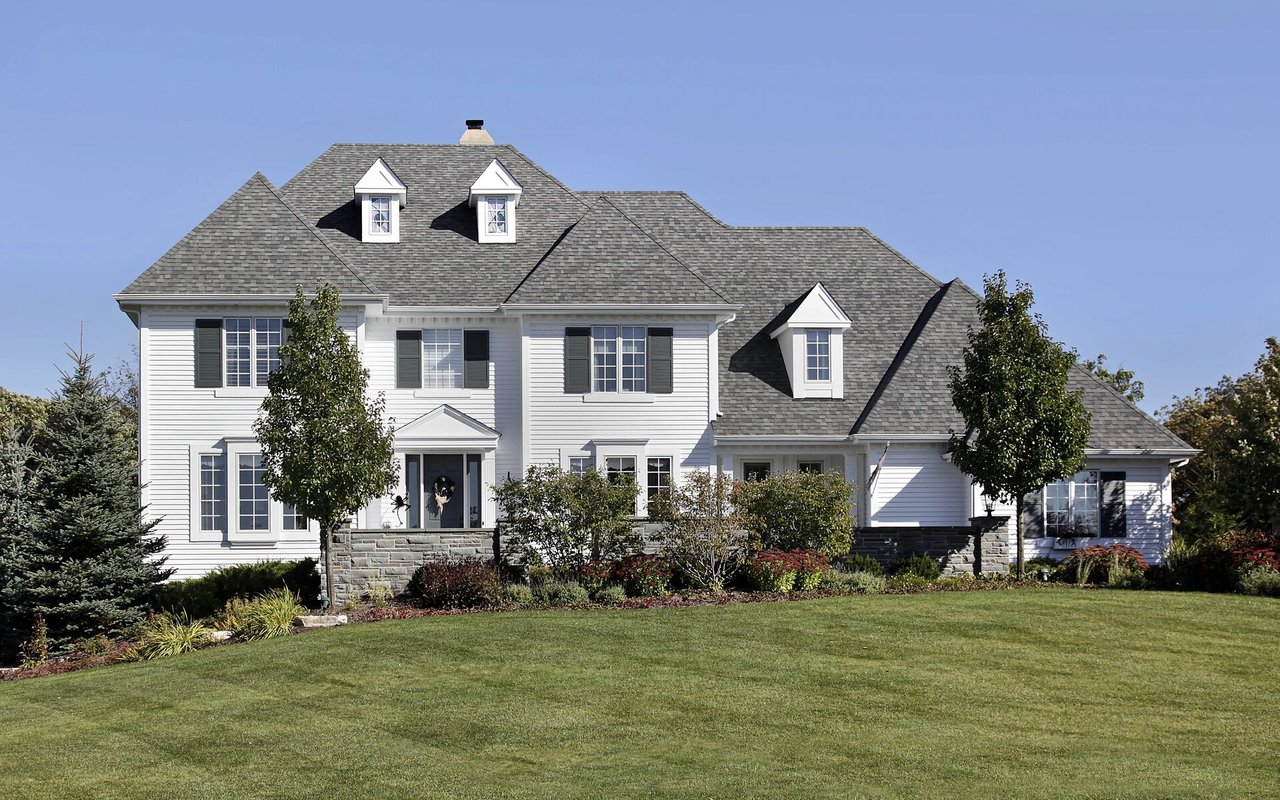
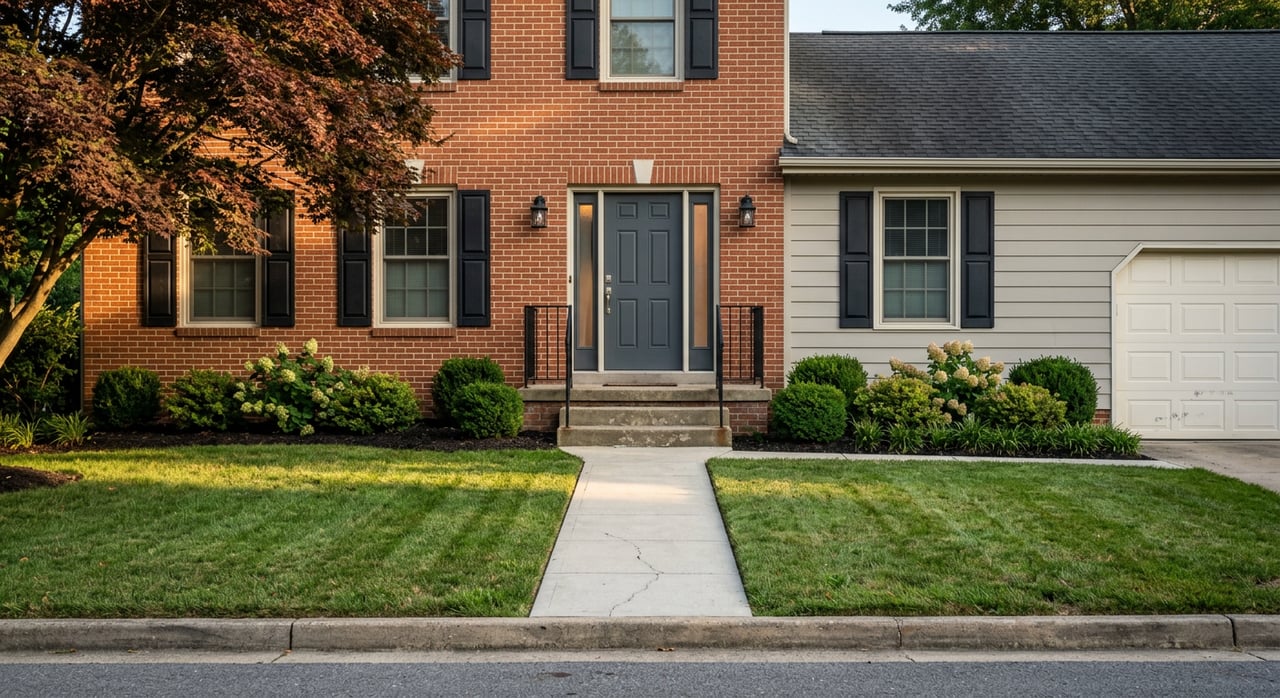
- Curb appeal: fresh mulch, trimmed shrubs, pressure washing, and a painted or updated front door make a fast impact. A worn garage door can be a good replacement candidate.
- Paint and deep clean: neutral interior paint and a professional clean help your photos and first impressions.
- Minor kitchen refresh: refinish or reface cabinets, update hardware and lighting, and consider new counters if the current ones are dated. A light refresh often performs better than a full upscale remodel.
- Flooring: replace heavily worn carpet and refinish hardwoods where possible.
National Cost vs. Value findings consistently show high returns for curb‑appeal projects and solid results for minor kitchen refreshes. See the 2025 overview here.
When to consider bigger work: If the roof or HVAC is at the end of its life and will become a negotiation point, replacing it before listing can protect your baseline value. If the cost is large relative to your price, you can also disclose and consider a buyer credit.
Stage and photograph to shine
Staging helps buyers picture life in the home. According to NAR’s staging research, many buyer agents say staging reduces time on market and can increase offers for a significant share of listings. Focus on the living room, primary bedroom, and kitchen. Some sellers use light, agent‑assisted staging for a few hundred dollars, while professional staging often starts around the mid‑hundreds for initial setup. Explore NAR’s staging insights here.
Invest in bright, decluttered photos that highlight indoor‑outdoor living, yard space, and commuter convenience. If the home is vacant, consider partial staging or virtual staging for key rooms.
Time your launch
Spring and early summer often bring stronger buyer traffic and pricing nationally, but local conditions and mortgage rates can shift the sweet spot. Your agent can share a current snapshot and advise the best week to list in your neighborhood.
No matter the month, pricing competitively into the first 7 to 14 days helps you capture peak showing activity. Overpricing usually leads to longer days on market and weaker outcomes.
Your 8–12 week prep plan
- 8–12 weeks out: Gather warranty records, receipts, permits, and your HOA resale package if applicable. Order a pre‑listing inspection if you want extra certainty. Start high‑priority repairs.
- 4–6 weeks out: Finish safety and system fixes. Deep clean, declutter, and paint key rooms in neutral tones. Line up a stager and photographer.
- 2–3 weeks out: Confirm your price range with a Bright MLS CMA. Finalize staging and exterior touchups. Prepare disclosures and the lead‑paint form if the home predates 1978.
- Listing week: Launch on Bright MLS with professional photos and a simple floor plan. Schedule showings and an open house if it fits your plan.
Local resources
- Harford County Building Services and Permit Center: permits and inspections. Visit the Permit Center
- Transfer and Recordation Taxes: county procedures and rates. View county guidance
- Harford County Public Schools: district information. Explore HCPS
- Bright MLS: the regional MLS your agent uses for CMAs and listing exposure. About Bright MLS
- EPA Lead‑Based Paint Disclosures: rules for pre‑1978 homes. Lead disclosure guidance
- NAR on Staging and Pre‑Listing Inspections: national best practices. Staging research and pre‑listing inspections
- Cost vs. Value 2025: ROI on common projects. See the data
Ready to plan your sale with a clear, step‑by‑step strategy tailored to Harford County? Let’s make your move smooth and successful. Schedule a consult with Patrick Campbell and our CENTURY 21 Advance Realty team to get your Bright MLS CMA and a custom prep plan.
FAQs
What is the current median home price in Harford County?
- Recent public sources placed the typical price in the upper $300Ks to low $400Ks in late 2025 to January 2026, with reported medians ranging from about $369,800 to about $410,000 and days on market around 42 to 54; ask your agent for a current Bright MLS CMA for your neighborhood.
Do Maryland home sellers have to provide a disclosure?
- Yes; you must deliver either the state Residential Property Disclosure or the Residential Property Disclaimer on or before entering a contract, as outlined in Md. Code §10‑702 here.
What should I do about lead paint in an older Harford County home?
- If your home was built before 1978, federal law requires lead disclosure, the EPA/HUD pamphlet, and a 10‑day testing window unless waived; see details here.
Which pre‑listing updates usually pay off?
- Focus on curb appeal, neutral interior paint and deep cleaning, a minor kitchen refresh, and flooring cleanup or replacement; national Cost vs. Value data supports these projects here.
How are transfer and recordation taxes handled when I sell in Harford County?
- They are part of your settlement costs; current county guidance notes a typical county transfer tax of 1.0 percent plus a state transfer tax of 0.5 percent, with details available here.