Thinking about leaving Delaware, Pennsylvania, or another nearby state for Cecil County? You are not alone, and the move can feel easier once you understand how this part of Maryland actually works day to day. From commuting routes and town-to-town differences to Maryland closing steps for remote buyers, this guide will help you know what to expect before you make your move. Let’s dive in.
Why Cecil County draws nearby-state buyers
Cecil County sits on Maryland’s Upper Chesapeake Bay between Philadelphia and Baltimore, which gives you a location that feels connected without feeling the same everywhere. The county includes small towns, shoreline areas, rivers, trails, and town centers with different housing styles and daily rhythms. If you are relocating from a nearby state, that variety is one of the first things you will notice.
The county is also a place where homeownership is common. Census QuickFacts lists a 2024 population of 106,305, with 44,691 housing units and a 75.3% owner-occupied rate. The same source reports a median owner-occupied home value of $343,400, median gross rent of $1,377, and broadband subscriptions in 91.3% of households.
That matters if you are comparing Cecil County with more densely built areas nearby. You may find a market that offers more room to spread out, while still supporting hybrid work, remote home shopping, and regular travel across county and state lines.
Cecil County is not one-size-fits-all
One of the biggest relocation surprises is that Cecil County does not read like one uniform suburb. County planning materials describe future growth as mainly focused in development, town, and suburban districts near the I-95 and US 40 corridor, while much of the rest of the county remains rural and resource-oriented.
In real life, that means your experience can vary a lot depending on where you land. Some areas feel more commuter-friendly and corridor-connected, while others feel much more small-town, semi-rural, or waterfront-oriented. If you are moving from Wilmington, Newark, southern Pennsylvania, or South Jersey, this difference is worth understanding early.
That is why a relocation search here usually works best when you start with lifestyle and routine, not just price. Your daily drive, your preferred home style, and how close you want to be to town services can shape which part of the county makes the most sense.
What commuting looks like
For many buyers relocating from nearby states, transportation access is a major reason Cecil County ends up on the short list. County planning documents identify I-95, US 40, US 1, and MD 213 as major north-south routes, while MD 272 is described as a major spine connecting I-95 and US 40 to North East and nearby communities.
This road network helps explain why some parts of the county feel especially practical for cross-state travel. If your work, family, or regular errands still take you into Delaware or beyond, access to these corridors can make a real difference in your weekly routine.
Census QuickFacts reports a mean travel time to work of 28.5 minutes in Cecil County. That does not define every household, but it does suggest that regional commuting is already part of everyday life for many residents.
Transit options for cross-state travel
If you are hoping for more than highway access, Cecil County also has public transit connections that reach across local and state lines. Cecil Transit says its fixed routes connect Elkton, North East, Perryville, Charlestown, Aberdeen, Havre de Grace, Glasgow, and Newark, Delaware.
The Cross-County Connection serves Elkton, North East, Perryville, the MARC train, Perry Point VA, and Cecil College. The Elkton-Newark Connection also runs to Newark Industrial Park, Newark Park and Ride, Newark Train Station, and the Newark Transit Hub.
For rail commuters, MARC’s Penn Line includes Perryville as a stop. For many relocation buyers, especially those coming from Delaware or southeastern Pennsylvania, the northern part of the county often stands out for connectivity because of these road and transit links.
How towns differ across Cecil County
A move to Cecil County is often less about choosing the county as a whole and more about choosing the right town or setting within it. County descriptions make it clear that each incorporated town has its own character, and there are eight towns in total.
Cecilton is described as having rural farmland, historic manor homes and colonial estates, newer residential housing, and a small downtown. Chesapeake City includes a historic south side with 19th-century homes, shops, waterfront restaurants, inns, a museum, and art galleries.
Charlestown is described as a primarily residential riverside town with marinas and restored colonial structures. Port Deposit includes historic architecture and a waterfront condominium community.
Elkton combines historic structures, courthouses, offices, stores, parks, and industry. North East is known for its historic town setting, shopping, and outdoor activities, while Perryville includes the train station and outlet shopping.
What that means for your home search
If you are relocating from a nearby metro area, it helps to expect variety instead of consistency from one town to the next. Some buyers want a more walkable historic setting with local shops and a defined town center. Others want a detached home with more land, a rural backdrop, or easier access to I-95.
Cecil County’s tourism and municipal descriptions also point to a lifestyle tied to waterways, trails, parks, boating, fishing, birding, horseback riding, and small-town main streets. That does not mean every area offers the same experience, but it does show how much local identity can shape where you feel most at home.
What housing stock often looks like
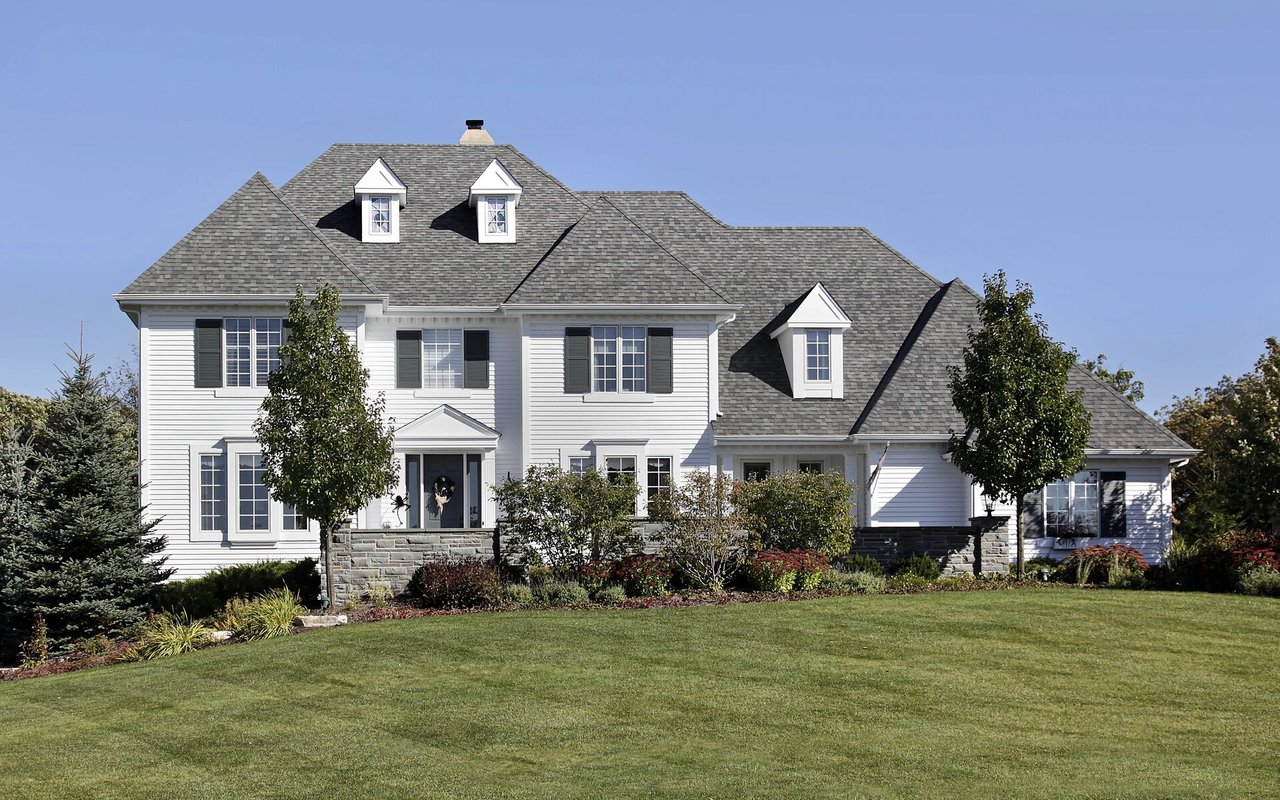
Housing in Cecil County tends to reflect the county’s mix of towns, rural land, and corridor growth. Based on official town descriptions and county planning materials, buyers should expect a combination of older historic homes in walkable centers, detached homes in rural and suburban settings, and some townhouse or condo options in towns and waterfront areas.
That can be a plus if you are moving from a nearby state and want more choice in setting. You might compare a historic home near a town center, a newer home closer to commuter routes, or a condo in a waterfront-oriented area, all within the same county.
At the same time, housing searches here benefit from local guidance because the county is not built as one broad stretch of suburban development. Growth has been directed toward town and corridor areas, while large parts of the county remain rural. That creates more variation from one pocket to another than some out-of-state buyers expect.
How Maryland closings differ for remote buyers
If you are buying in Cecil County from out of state, one of the most important things to understand is that the Maryland purchase process has a few details that may not match what you are used to. Maryland DHCD recommends completing homebuyer education as early as possible, and counseling is required for the Maryland Mortgage Program.
Maryland Courts also notes that a contract of sale does not itself transfer ownership. The deed is the legal instrument that transfers the property. For remote buyers, that means your closing is more than signing a contract and wiring funds. Title, recording, and tax steps matter too.
In Cecil County, those recording and transfer costs are split between county and state offices. The Cecil County Finance Office collects the county recordation tax, while state transfer taxes and recording fees are collected by the Clerk of the Court.
Current county guidance lists the county recordation tax at $4.10 per $500 of consideration. It also lists the state transfer tax at 0.5%, reduced to 0.25% for first-time Maryland home buyers purchasing a principal residence.
Another local detail is timing. Cecil County notes that its Finance Department does not do instant recordings and that documents are usually forwarded to the Clerk within seven to ten business days. That does not mean your transaction is off track, but it is a practical detail remote buyers should know going in.
Why coordination matters more from out of state
Maryland land records are public and can be viewed online, but the courts page also says clerks cannot do title searches, review documents for correctness, or provide legal advice. For a remote buyer, that is one more reason careful coordination matters.
This is where a full-service approach can make the process much less stressful. When you cannot be in town for every step, it helps to have local support coordinating access, inspections, communication, and the many moving parts that have to line up before closing.
Extra diligence for older homes
If you are drawn to Cecil County’s historic homes or older housing stock, lead-related diligence should stay on your checklist. Maryland’s lead program says homes built before 1978 may contain lead paint.
The Maryland Department of the Environment also requires pre-1978 rental properties to be registered and to have a new lead inspection certificate at each change of occupancy. Even if you are not buying a rental property, older homes deserve careful attention so you understand condition and any needed follow-up.
This does not mean older homes should be avoided. It simply means you want a clear process for reviewing age, condition, and any lead-related considerations before you move forward.
A practical relocation game plan
If you are shopping from Pennsylvania, Delaware, New Jersey, or another nearby state, it helps to keep the process simple and organized. A practical workflow based on Maryland guidance and Cecil County procedures often looks like this:
- Get pre-approved early
- Complete any required homebuyer education as soon as possible
- Start with virtual tours to narrow the field
- Have a local agent arrange in-person access and inspections
- Use a title company to help manage settlement, recording, and tax steps
- Review older homes carefully for lead-related diligence where appropriate
This kind of plan helps you avoid making a rushed decision from a distance. It also gives you a better way to compare homes, towns, and commute options without feeling like you have to be physically present for every first step.
What to expect emotionally during the move
Most cross-state moves come with a mix of excitement and uncertainty. You may be trying to balance commute questions, home style preferences, closing details, and the challenge of evaluating an area you do not yet know block by block.
That is normal. The key is to break the move into manageable decisions: where you need access, what type of setting fits your lifestyle, what kind of home you want, and how to keep the purchase process organized from afar.
Cecil County gives you several different ways to live, from more connected corridor locations to quieter small-town and rural settings. When you understand those differences upfront, the search gets clearer and a lot less overwhelming.
If you are planning a move into Cecil County from a nearby state, having a local team that communicates clearly and handles details can make the process feel much more manageable. When you are ready to talk through towns, commute routes, or what buying from out of state will really look like, reach out to Patrick Campbell. Ready to move? Let’s Advance together.
FAQs
What should out-of-state buyers know about living in Cecil County?
- Cecil County offers a mix of small towns, waterfront areas, commuter corridors, and rural settings, so your day-to-day experience can vary a lot depending on where you buy.
What are the main commuting routes in Cecil County?
- Major routes identified by county planning materials include I-95, US 40, US 1, MD 213, and the MD 272 corridor.
What public transit options serve Cecil County buyers?
- Cecil Transit connects several local communities and also reaches places such as Newark and Glasgow in Delaware, and MARC’s Penn Line stops in Perryville.
What types of homes can buyers expect in Cecil County?
- Buyers can expect a mix of historic homes in town centers, detached homes in rural and suburban settings, and some townhouse or condo options in certain town and waterfront areas.
What should remote buyers know about the Maryland closing process in Cecil County?
- In Cecil County, recordation and transfer charges are split between county and state offices, and the deed, not just the sales contract, is the legal instrument that transfers ownership.
What should buyers know about older homes in Cecil County?
- Homes built before 1978 may contain lead paint, so buyers should pay close attention to age, condition, and any lead-related diligence during the purchase process.