If you are selling a waterfront home in Anne Arundel County, you are not just listing square footage. You are also selling views, shoreline access, outdoor living, and a lifestyle that buyers want to picture clearly from the start. That creates opportunity, but it also means more details can affect your sale, from permits and disclosures to timing and presentation. Here is what you should focus on before your home goes live. Let’s dive in.
Why Waterfront Sales Need a Different Plan
A waterfront sale usually involves more moving parts than a typical inland listing. Buyers often look beyond the house itself and pay close attention to the dock, shoreline, deck, patio, and how easy the water access feels during a showing.
That matters in Anne Arundel County, where many waterfront properties are affected by Chesapeake Bay Critical Area rules. The county says the Critical Area includes land and water within 1,000 feet of tidal waters or tidal wetlands, and the 100-foot shoreline buffer generally requires approval before disturbance.
In practical terms, that means your prep work should include more than cleaning and staging the inside of the home. You also want to confirm that waterfront features and prior improvements are documented properly before buyers start asking questions.
What the Anne Arundel Market Means for You
Countywide, Anne Arundel County entered spring 2026 with active but balanced conditions. Realtor.com described the county as a balanced market in May 2026, with a median 24 days on market and homes selling for about asking price on average, while Redfin reported a median sale price of $520,938 over the three months ending May 2026 and 780 homes sold in May.
These numbers are not waterfront-only, but they still give you useful context. A well-prepared waterfront listing can stand out in a market where buyers have options and presentation matters.
That is why pricing and launch strategy should work together. In a balanced market, buyers tend to reward homes that feel turnkey, clearly documented, and easy to understand.
Time the Listing Around Outdoor Appeal
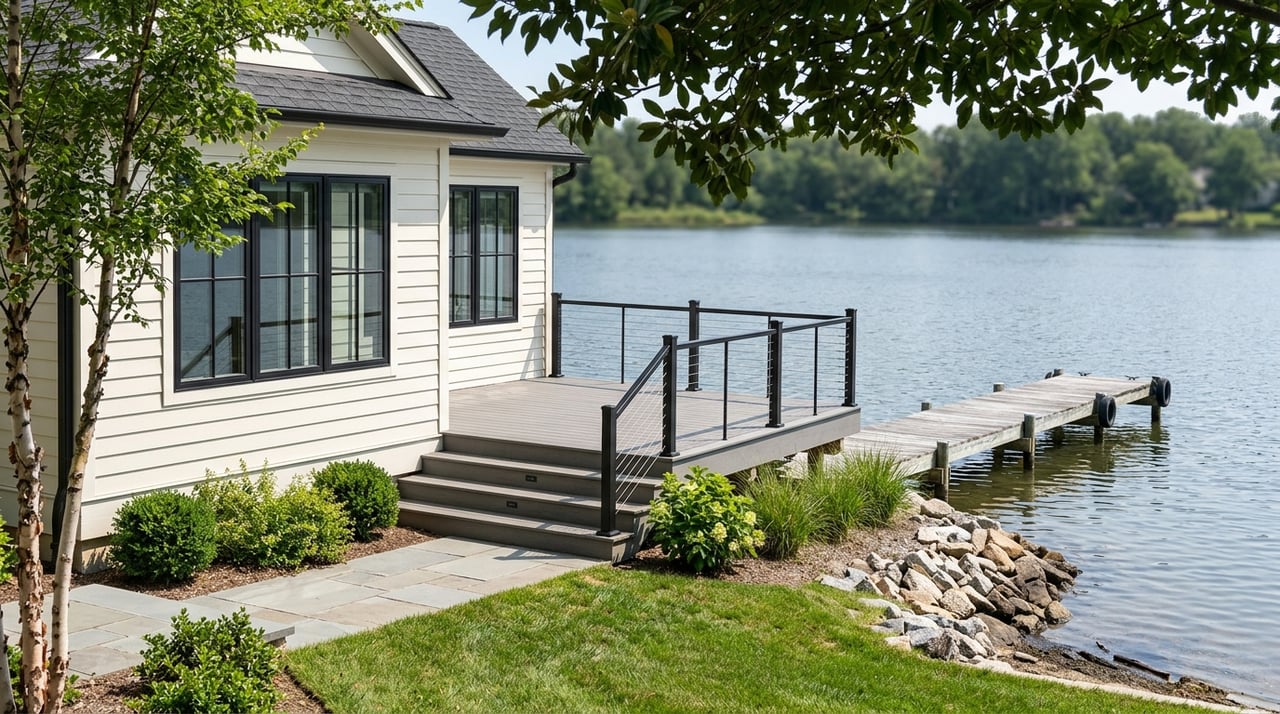
With waterfront property, the exterior can carry just as much weight as the interior. You want buyers to see the home when the dock, landscaping, patios, decks, and water views look their best.
A smart timing strategy is less about chasing one perfect month and more about maximizing visibility. If your shoreline path is tidy, your deck furniture is in place, and your view is clear in photos, buyers can better imagine how they would use the property.
That visual story matters. According to NAR's 2025 staging research, 83% of buyers' agents said staging helps buyers visualize a property as their future home, 49% of sellers' agents saw shorter time on market, and 29% reported 1% to 10% higher offers from staging.
Focus on the Lifestyle Buyers Are Buying
Waterfront buyers are often responding to a full experience, not one single feature. They want to understand where they would sit outside, how they would get to the water, and whether the shoreline and dock areas feel functional and well kept.
That means your exterior prep should be intentional. Clean, safe, easy-to-follow spaces usually show better than cluttered or overcomplicated ones.
Useful tasks before photography and showings may include:
- Washing down decks, patios, walks, and other hard surfaces
- Removing hoses, storage bins, and extra equipment
- Putting away kayaks, fishing gear, and loose dock items
- Checking dock lights, railings, and visible safety issues
- Making the path to the water clear and easy to follow
- Arranging waterside seating to show how the space lives
The goal is not to make the property look artificial. The goal is to help buyers quickly understand how the home and waterfront areas are actually used.
Be Careful With Shoreline Cleanup
When sellers prepare a waterfront home, it can be tempting to clear aggressively for a wider view. In Anne Arundel County, that can create problems if it affects protected buffer areas.
The county's waterfront guidance explains that native shoreline vegetation helps prevent erosion and protect water quality. Because of that, the best presentation plan is usually trimming, cleaning, repairing, and decluttering rather than stripping away buffer plantings or making last-minute shoreline changes.
If you are unsure whether planned work is allowed, pause before making changes. It is far better to ask questions early than to create a permit or compliance issue right before listing.
Gather Pier and Shoreline Records Early
One of the biggest reasons waterfront transactions slow down is missing paperwork. Buyers often want to know whether the pier, bulkhead, lift, or shoreline work was properly approved and maintained.
Anne Arundel County says residential piers and residential bulkheads require permits, and the county pier checklist notes that bulkheads and other shoreline protection measures require separate permits. Maryland Department of the Environment guidance also says permits or authorizations are generally required for work such as building a new pier, adding a boat lift or platform to an existing pier, dredging a boat slip, putting in a bulkhead, or adding fill in regulated wetland or buffer areas.
Before listing, it is smart to assemble any records you have for waterfront improvements. That can make the home easier to market and reduce delays once a serious buyer starts reviewing documents.
Helpful records to gather may include:
- Pier permits
- Bulkhead permits
- Shoreline work approvals
- Survey or easement information
- Dock or lift repair receipts
- Septic and well records, if applicable
- Pump-out or service dates, if applicable
- Flood-zone or flood-insurance documents
If you cannot find records for past work, it is better to surface that issue early. Waiting until contract time can create stress, renegotiation, or delays.
Understand the Maryland Disclosure Requirements
Maryland requires a seller's agent to obtain a residential property condition disclosure statement or disclaimer statement at listing. Even if a home is sold as-is, known latent defects still must be disclosed.
For waterfront homes, that disclosure process can cover several issues buyers care about right away. The Maryland form asks about water supply, sewage and septic status, exterior drainage, permit history for improvements, flood-zone status, conservation or wetland location, Chesapeake Bay Critical Area status, easements, setback violations, HOA restrictions, and other material defects.
This is one reason organized prep matters so much. The more complete your information is before launch, the easier it is to answer questions accurately and keep the transaction moving.
Address Flood and Drainage Questions Up Front
Flood-related questions are common with waterfront property, and buyers often ask them early. Anne Arundel County's flood-disclosure guidance notes that Maryland sellers must disclose whether water stands on the property for more than 24 hours after heavy rain and whether the property is in a flood zone.
That makes honesty and documentation especially important. If you have flood-zone information, insurance records, or past drainage details, gather them before your listing goes live.
Being prepared does not just help with disclosure. It also gives buyers clearer facts, which can reduce uncertainty during negotiations.
Bring in Help Before Problems Grow
Not every waterfront issue has a quick answer. If you are missing permits, unsure whether old work was authorized, or have questions about shoreline improvements, it may make sense to bring in the right specialist before marketing begins.
Depending on the issue, that could mean a surveyor, permit specialist, engineer, or real estate attorney. The goal is simple: solve documentation or property questions early instead of letting them disrupt your sale later.
This kind of planning is often what separates a smooth waterfront listing from one that loses momentum. A little work up front can prevent bigger headaches once buyers start reviewing details.
Why Full-Service Representation Matters
Waterfront homes often need more coordination than standard listings. Along with pricing and marketing, there may be staging, outdoor prep, photography timing, permit research, vendor scheduling, and buyer questions tied to shoreline features.
That is where a full-service approach can make a real difference. NAR's 2025 buyer-and-seller report found that 91% of sellers used a real estate agent, and sellers most valued help with marketing the home, pricing it competitively, and selling within a specific timeframe.
For a waterfront seller, that support can also include organizing records, coordinating repairs, and helping you stay ahead of issues that could affect negotiations. When the process has more moving parts, steady guidance matters.
If you want a clear plan for pricing, preparation, and next steps for your Anne Arundel County waterfront property, connect with Patrick Campbell. Ready to move? Let’s Advance together.
FAQs
What should you do before listing a waterfront home in Anne Arundel County?
- Start by improving outdoor presentation, gathering permit and repair records, reviewing disclosure items, and confirming details related to shoreline features, flood information, and septic or well systems if applicable.
Do piers and bulkheads need permits in Anne Arundel County?
- Yes. Anne Arundel County states that residential piers and residential bulkheads require permits, and some shoreline protection work may require separate approvals.
Why does staging matter when selling a waterfront home?
- Staging helps buyers picture how they would live in the property, and that includes outdoor spaces like decks, patios, docks, and waterside seating areas.
What does Maryland require sellers to disclose for a waterfront property?
- Maryland disclosure forms may cover items such as permit history, water supply, septic status, drainage, flood-zone status, easements, wetland or conservation location, Chesapeake Bay Critical Area status, and known material defects.
When is the best time to list a waterfront home in Anne Arundel County?
- The best time is usually when the property shows its outdoor features at their best, including clean views, tidy landscaping, and attractive dock and shoreline areas for photos and tours.
What if you are missing waterfront permits or records before selling?
- It is wise to address that early by working with the appropriate professional, such as a surveyor, permit specialist, engineer, or real estate attorney, before the listing process moves too far forward.