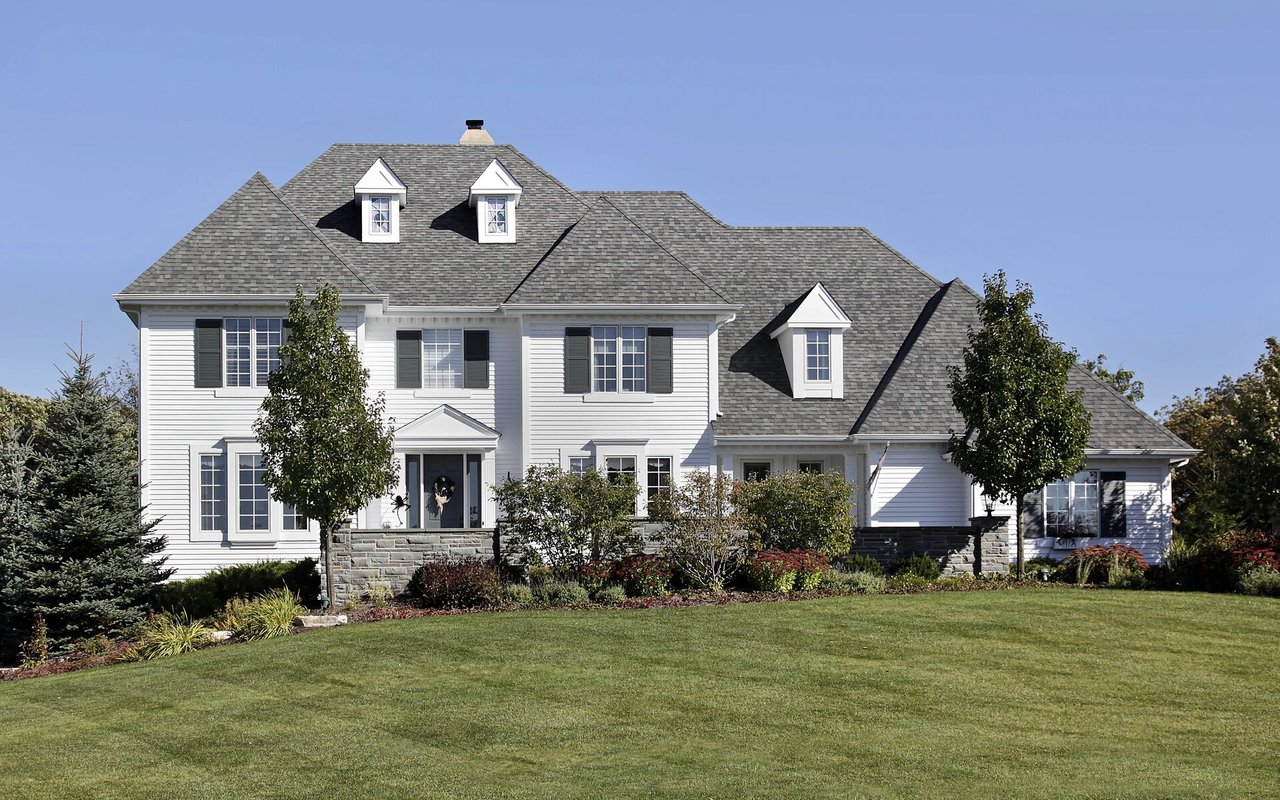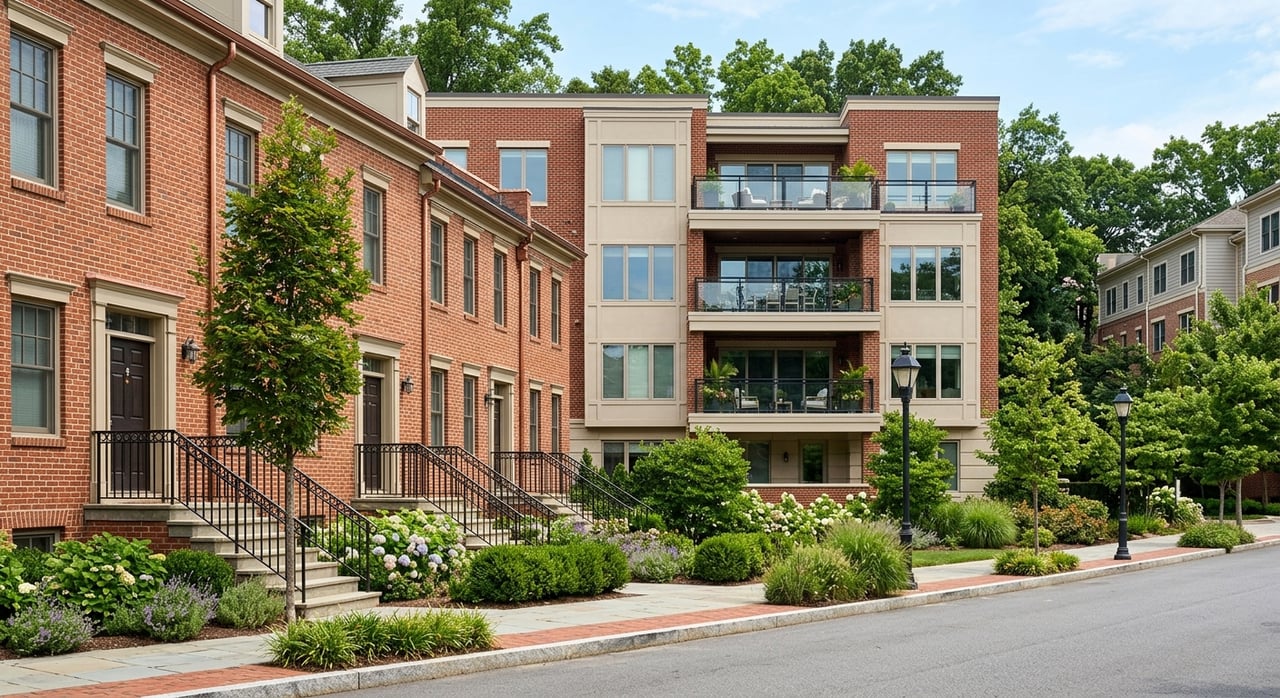
If you are choosing between a townhome and a condo in Montgomery County, the biggest mistake is assuming the building style tells you everything you need to know. In this market, a townhouse-style home can legally be a condominium, and that changes what you own, what you maintain, and what rules you follow. If you want to make a smart decision with fewer surprises, it helps to compare ownership, costs, lifestyle, and resale in a practical way. Let’s dive in.
Start With Legal Structure
In Montgomery County, condominiums, many homeowners associations, and co-ops are treated as common ownership communities. These communities are self-governing and operate under rules that all members must follow. That means your day-to-day experience depends on the community documents, not just the way the property looks from the street.
This is especially important because a condo can be townhouse-style. In other words, a home that looks like a traditional townhome may still be a condominium in legal terms. Before you decide, ask to review the recorded declaration, bylaws, rules, and resale package so you understand exactly what comes with the property.
Montgomery County also requires common ownership communities to register annually, and the county maintains a public list of registered communities and contacts. That gives buyers another reason to focus on the legal setup and association records instead of relying on assumptions. If you want more control and fewer surprises, document review should come first.
Compare Maintenance Responsibilities
One of the biggest differences between a condo and a townhome is who handles maintenance. In a condo, the association usually maintains the common elements, while you are responsible for your own unit. If damage comes from the common elements, the association generally repairs the unit at its own cost.
That setup can be appealing if you want less exterior upkeep. A condo often gives you a more maintenance-light lifestyle because more of the shared systems and exterior responsibilities are handled through the association. You still need to maintain the parts of the home that fall under your ownership, but the burden is often more limited.
With a townhome, the answer is not always as simple as “you maintain more.” Some townhomes are in homeowners associations, and some townhouse-style homes are actually condos. The recorded documents determine whether the association handles items like roofing, exterior surfaces, landscaping, or common areas.
Understand Monthly Costs
Monthly costs are another major factor, and this is where many buyers need a closer look. Condo fees often feel higher at first glance because they may cover more shared maintenance, insurance, management, and reserve funding. In many cases, that can make your monthly expenses more predictable.
Condo association budgets commonly include management fees, maintenance costs, insurance premiums, taxes, and reserve contributions for future major expenses. Buyers should also ask about reserve funds, recent board minutes, and any special assessments. If reserves are too low, owners can face additional costs later.
Townhome HOA dues may be lower, but that does not automatically mean the home will cost less to own. Lower dues can also mean you are personally responsible for more repairs and exterior upkeep. The only way to compare fairly is to match the monthly dues against what the association actually covers.
Property taxes matter too. In Montgomery County, real property is assessed every three years by SDAT, and owner-occupied principal residences may qualify for Homestead tax credits. For FY26, the county said the budget included a $692 property tax credit for principal residences with a Homestead application on file.
Cost Items to Review
- Current monthly assessment and what it includes
- Reserve fund balance and reserve study history
- Any special assessments or proposed fee increases
- Recent delinquencies in the community
- Master insurance coverage
- Your separate insurance responsibility as the owner
Look Closely at Insurance
Insurance is one area where condo buyers often need extra clarity. Montgomery County notes that owners should carry their own insurance for personal property, upgrades, and other items not covered by the master policy. So even if the association has insurance, you still need to know where that coverage stops and where your responsibility begins.
That is why the master policy matters just as much as the monthly fee. If two communities have similar dues but very different insurance structures, your real monthly cost can look different once you add your own coverage. A careful review now can help you avoid budget surprises later.
Townhome buyers should take the same approach. Even if the dues are lower, you need to know whether the association insures any exterior elements or shared property. The resale package and governing documents should spell this out.
Think About Your Day-to-Day Lifestyle
For many buyers, the right choice comes down to how you want to live. A condo often works well if you want less lawn care, less exterior maintenance, and a more shared living environment. Some communities also include access to shared amenities controlled by the association or an umbrella organization.
A townhome may feel more private on a daily basis, especially if you want more separation from neighbors or more direct outdoor space. Still, privacy does not mean total independence if the property is part of a common ownership community. Montgomery County notes that owners have privacy rights consistent with the law and reasonable community rules, but they also have to follow association rules.
Those rules can cover parking, landscaping, and even paint colors. For some buyers, that structure is perfectly fine. For others, it can feel restrictive, so it is important to know your comfort level before you commit.
Ask Yourself These Questions
- Do you want less exterior maintenance?
- Are you comfortable following association rules?
- Would you prefer more shared amenities or fewer shared spaces?
- Do you want a home that may feel more private day to day?
- Are you okay attending to more maintenance yourself if the documents require it?
Review Rules Before You Buy
Association rules deserve more attention than many buyers give them. In Montgomery County, buyers have the right before buying to know the governing documents, financial condition, fees, and rules of the community. That means you do not have to guess how the community operates.
If you are sensitive to restrictions, review the rules for parking, landscaping, exterior changes, and rentals carefully. These can shape your daily experience more than the floor plan itself. A beautiful home can still be the wrong fit if the rules do not match the way you want to live.
It also helps to visit the community at busy times and get a feel for how it is managed in practice. Board meetings in common ownership communities are generally open to members, which also shows how important governance can be in both condo and townhome communities. If you want a smoother ownership experience, look beyond the unit and study the community itself.
Weigh Resale and Market Position
Current listing data suggests condos and townhomes sit in different price ranges in Montgomery County. Redfin shows 698 condos for sale at a median listing price of $280,000, compared with 479 townhouses at a median listing price of $525,000. Redfin also reports condos averaging 54 days on market versus 34 days for townhouses.
That does not guarantee how either property type will perform in the future. Still, it does suggest that townhomes currently command a higher price point and are moving faster in this market. If resale potential is part of your decision, this is useful context.
Condo resale can also depend on the financial health of the association. Fannie Mae says lenders use condo project standards and questionnaires to determine project eligibility. That means a future buyer’s financing options may be affected by the project’s condition, reserves, and overall documentation.
Use the Resale Package as a Decision Tool
In Montgomery County, the resale package is a key part of your review process. The county says the seller must provide the package before the contract can be enforced. The package should disclose rules, financial status, and any pending claims.
Timing matters too. County guidance says HOA buyers have up to 5 days to cancel after receiving a late-delivered resale package, while condo buyers have up to 7 days. That makes the package more than a formality. It is one of your best tools for checking whether the community is financially stable and whether the rules work for your lifestyle.
Association records such as budgets, minutes, reserve studies, and contracts should generally be available for member inspection under Maryland law. For buyers, that means your decision should be based on real documents, not sales language or assumptions.
Documents to Request and Review
- Current assessments and what they cover
- Annual budget and reserve contributions
- Reserve study and reserve-fund balance
- Recent board minutes
- Special assessments
- Pending litigation or covenant issues
- Insurance structure
- Parking, landscaping, exterior-change, and rental restrictions
How To Decide With Confidence
A condo usually makes more sense if you want lower upkeep, a more shared lifestyle, and a lower current entry price. A townhome usually makes more sense if you want more privacy and are comfortable with the fact that maintenance responsibilities depend on the community documents. In Montgomery County, the most important point is simple: the legal structure matters more than the facade.
If you are comparing options in Silver Spring, Rockville, Frederick, or elsewhere in Montgomery County, a careful side-by-side review can save you time, stress, and expensive surprises. The right choice is not just about price or appearance. It is about how the ownership structure, rules, costs, and resale factors fit your goals.
When you are ready to sort through the details and make a confident move, Patrick Campbell can help you compare options, review the big picture, and take the next step with clear guidance.
FAQs
What is the main difference between a condo and a townhome in Montgomery County?
- The biggest difference is the legal ownership structure and what the association documents say you own, maintain, and must follow, not just the exterior style of the home.
Can a townhouse-style home be a condominium in Montgomery County?
- Yes. Maryland’s condo guidance notes that a condominium can be townhouse-style, which is why buyers should review the declaration, bylaws, rules, and resale package.
What costs should buyers compare when choosing a condo or townhome in Montgomery County?
- Buyers should compare monthly assessments, what those fees cover, reserve funds, reserve studies, special assessments, insurance structure, and separate owner insurance obligations.
Are association rules important when buying a condo or townhome in Montgomery County?
- Yes. Community rules can affect parking, landscaping, exterior changes, rentals, and other daily-use issues, so buyers should review them carefully before making a decision.
Does a condo or townhome have better resale potential in Montgomery County?
- Current listing data suggests townhomes are in a higher median price band and are moving faster than condos, but future resale also depends on the specific property, community finances, and buyer demand.
What is the resale package for a Montgomery County condo or HOA home?
- The resale package is a document set that helps disclose the community’s rules, financial condition, fees, and pending claims so you can make a more informed buying decision.